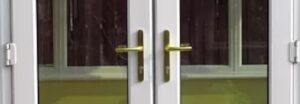
Door Handle Maintenance: A Comprehensive Guide to Longevity and Functionality
Door handles, a vital component of any door, play an essential role in our lives, offering access to various spaces within our homes and offices. While typically overlooked, the maintenance of door handles is essential not only for their performance however likewise for the visual appeal of an area. This post provides insights into numerous types of door handles, common issues they face, maintenance tips, and responds to some often asked concerns.
Understanding Types of Door Handles
Before diving into maintenance specifics, it's important to acknowledge the different kinds of door handles. Each type has distinct characteristics and maintenance requirements:
- Lever Handles: Commonly discovered in residential homes and commercial settings, lever handles are operated by pushing down on the lever. They can typically be discovered with a lock or lock mechanism.
- Knob Handles: These conventional handles need turning to open. fixing door handles may come with elaborate designs and prevail in older homes.
- Pull Handles: Typically utilized on doors that move or open external, pull handles are simple and typically installed on cabinet doors or moving doors.
- Push Plates: While not a handle in the conventional sense, push plates are essential for availability on commercial doors, frequently discovered in public structures.
- Smart Handles: A modern option, smart handles utilize technology for keyless entry systems and often require additional maintenance associated to their electronic elements.
Common Issues with Door Handles
Door handles may face numerous issues due to use and tear, ecological elements, or absence of proper maintenance:
- Loose Handles: Over time, screws protecting the handle may loosen up, leading to instability.
- Sticky Mechanisms: Dirt, gunk, or lack of lubrication can trigger the handle to stick or end up being tough to turn.
- Rust and Corrosion: Metal handles can corrode or rust, especially in damp climates.
- Paint and Finish Wear: Frequent use can use down the finish, leading to unsightly marks or faded areas.
- Lock Malfunction: Particularly with lockable handles, internal systems can jam or break.
Maintenance Tips for Door Handles
Correct maintenance of door handles can dramatically improve their life-span and functionality. Here are some reliable maintenance tips:
1. Routine Cleaning
Routine cleansing is one of the most basic yet most reliable maintenance practices. Follow these actions:
- Use a Soft Cloth: A microfiber cloth works best to prevent scratches.
- Moderate Soap Solution: Create a service of warm water and moderate dish soap for cleansing.
- Rinse and Dry: After cleansing, make sure the handle is completely dried to avoid moisture accumulation.
2. Tightening Loose Handles
If a door handle feels loose, follow these steps to tighten it:
- Locate Screws: Identify the screws on the handle or its base.
- Use a Screwdriver: Employ the proper screwdriver to tighten.
- Check Functionality: After tightening up, make sure the handle runs smoothly.
3. Lubrication
Whenever a handle feels stiff or sticky, lubrication is essential. Here's how to perform it:
- Choose the Right Lubricant: Use a silicone or graphite-based lubricant, preventing oil-based ones that can draw in dirt.
- Use Sparingly: A percentage on the moving parts will be sufficient.
- Clean Excess: Ensure no excess lubricant is delegated avoid attracting debris.
4. Examine for Damage
Regular examinations can catch small issues before they end up being considerable problems:
- Check for Rust: If you find rust, consider replacing the handle or utilizing a rust remover.
- Assess Finish: If the surface is worn, consider refinishing or replacing the handle to preserve looks.
5. Seasonal Maintenance
Depending upon the climate, seasonal maintenance might improve a handle's longevity:
- Winter: In cooler environments, look for frozen mechanisms. Oil before the winter.
- Summertime: High humidity can promote rust; guarantee handles are dry and without wetness.
FAQs About Door Handle Maintenance
Q1: How often should I clean my door handles?
A1: It's a good idea to tidy door handles every few weeks, particularly in high-traffic areas. Regular cleansing guarantees hygiene and keeps their look.
Q2: What kind of lube is best for door handles?
A2: Silicone or graphite lubes are preferred, as they efficiently lower friction without drawing in dirt and particles.
Q3: Can I utilize vinegar to clean my door handles?
A3: Yes, vinegar is an excellent natural cleaner for lots of surfaces, however it should be watered down with water and not used on painted or wood handles as it may harm the finish.
Q4: What should I do if my handle is entirely broken?
A4: If a handle is beyond repair, consider replacing it. New handles are typically simple to install and can enhance the security and aesthetics of your door.
Q5: How can I prevent rust on metal door handles?
A5: Regular cleaning and making sure the surface area stays dry are crucial to rust avoidance. Think about using a protective covering designed for metal surface areas.
Door handles, in spite of their little size in the grand scheme of home maintenance, are essential components that significantly affect the functionality and looks of an area. With regular cleaning, timely tightening, lubrication, and inspection for damages, door handles can remain efficient and attractive for several years. By following the detailed maintenance tips and dealing with common issues, house owners and business proprietors can ensure their door handles serve their purpose dependably while maintaining a polished look.